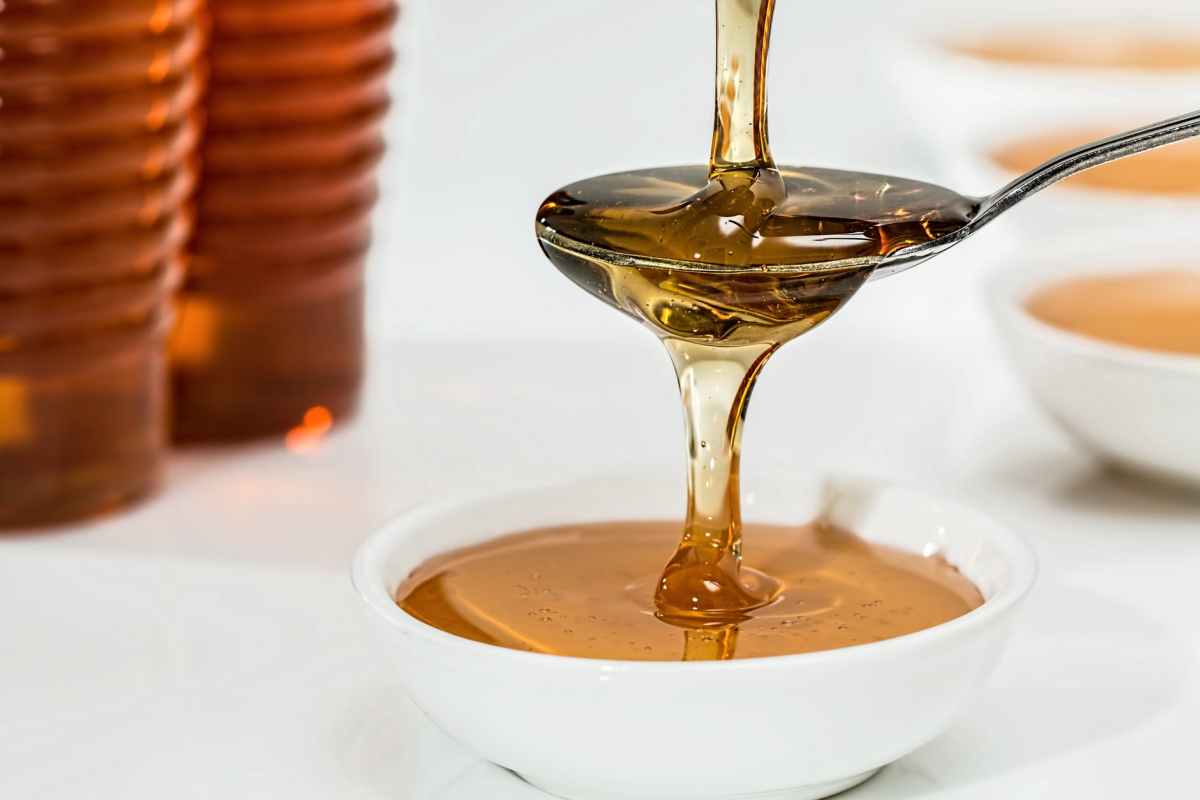
We usually associate September with falling leaves, bustling classrooms and the return of anything pumpkin-spiced. But did you know that September is National Honey Month?
2019 marks the 20th year since the U.S. Department of Agriculture and the National Honey Board teamed up to give honey – and the bees that make it – some well-deserved praise. The month of September was chosen because that’s when most of the nation’s honey is harvested.
For thousands of years, honey has been valued for its sweetness as well as its medicinal use. Ancient Egyptians described beekeeping in hieroglyphs as early as 2400 BC. Greek and Roman scholars wrote about bees and athletes believed that honey improved their performance. Honey was used as a form of currency throughout Europe around 1000 AD.
A natural antiseptic with antibacterial properties, honey prohibits the growth of bacteria. Studies show that it can help heal burns, fight infections, reduce duration of diarrhea and relieve cough and cold symptoms. Some people buy honey produced by bees in their area to lessen their seasonal allergies (one of my customers swears by his daily dose of honey).
Honey is a solution of two simple sugars: glucose (dextrose) and fructose (levulose). Honey does not occur naturally – it comes from nectar, a sugary plant solution high in moisture, that is collected and converted by bees into honey.
To make honey, bees add enzymes their bodies produce to the nectar and evaporate excess moisture during the process. They also fan their wings to move air throughout the hive to create the best conditions for making and storing honey in their wax combs. When the solution reaches a certain level of dryness (about 18 percent moisture), bees seal each cell of honey with a thin layer of wax from glands on the underside of their abdomen. In this state, honey will keep indefinitely.
In short, honey making is a LOT of work for bees. In their short lifetimes, a single bee will produce only 1/12 of a teaspoon of honey. One pound of honey requires nectar from approximately two million flowers!
Honey contains other elements that occur naturally in flower nectar including minerals, vitamins, acids, pigments, enzymes and aroma components. The taste, color and smell of honey is based on the type of flower nectar used by the bees. Common flower sources are clover, orange blossom, blackberry and buckwheat. Most honey is sold as a wildflower mix, which is what our bees produce since we have no large fields of alfalfa, orange trees or buckwheat for them to visit.
Now that I’ve got your mouth watering, let’s celebrate National Honey Month!
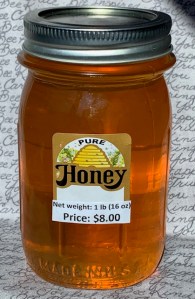 It just so happens that I, too, have harvested and bottled our bees’ honey and it’s ready for hungry people! If you’re in the Ames and Story County area, send me a note on Facebook and we’ll get some to you. I also ship honey but it’s quite expensive because honey is much heavier than water.
It’s been fun to have enough honey to share with others. I like honey best when it’s in a glass jar, so I have re-purposed Ball canning jars as honey containers. Each jar holds about 1 ¼ pounds of honey.
I also have those cute honey bears and found baby bears that hold just 2 ounces of honey. Take a look at Bee Lady Honey products in my flier at this link.
The National Honey Board last year worked with the Food Network to suggest some creative ways to use honey. You’ll find them in the image at the end of this blog.
Some people prefer honey in their morning coffee. Others like it on oatmeal. I’d love to hear how you enjoy your honey! Here’s wishing everyone a sweet September!

Source: National Honey Board and The Food Network


 Bee Lady Honey