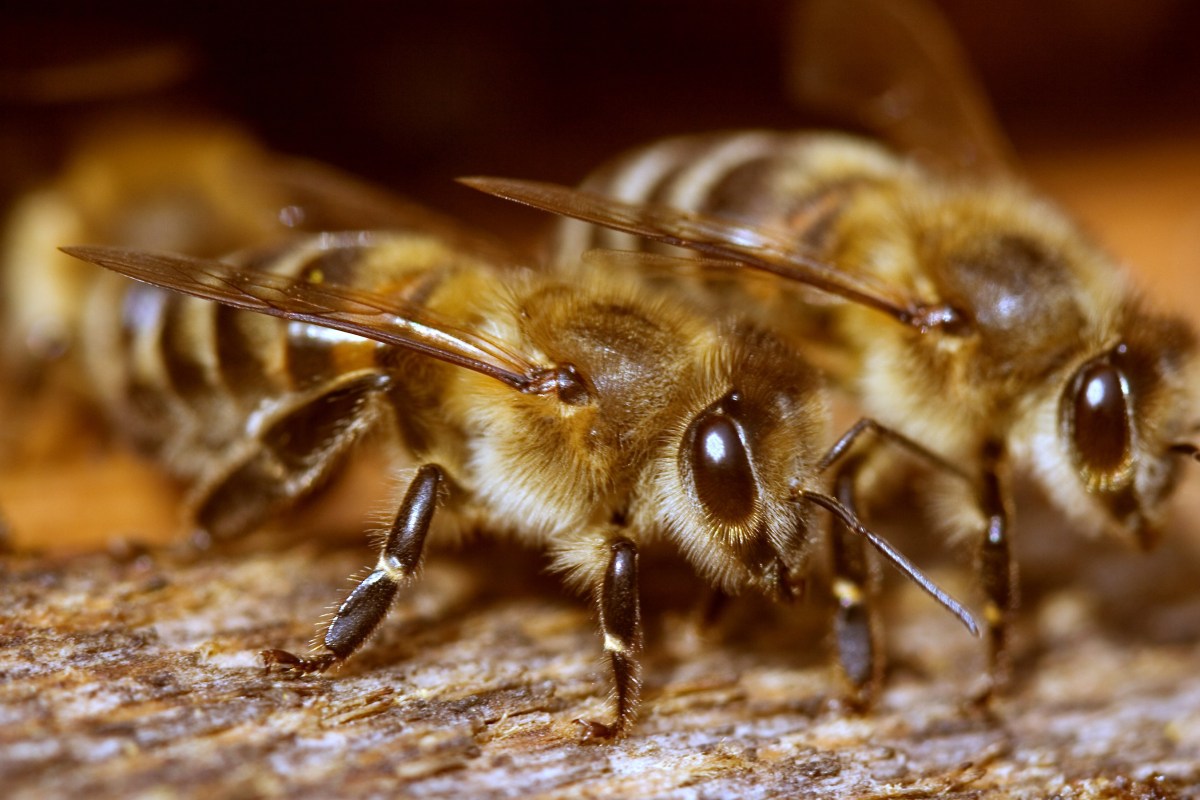
One of the best things about being a beekeeper is that everyone is interested in honey bees. Who doesn’t like honey? Or flowers? Or fresh fruits and vegetables, most of which need to be pollinated by our friend the honey bee?
I enjoy sharing my honey bee passion with others, particularly children. Not too long ago I discussed beekeeping and pollination with a group of homeschoolers from Nevada. Their ages ranged from 3 to about 14 years and I was worried about keeping everyone’s attention. To my great surprise – and relief! – these kids had super-great questions, from how honey bees navigate and different tasks of worker bees to the kinds of crops they pollinate.
One question stumped me: Do bees sleep?
Great question, I replied. I’ll have to read up on that.
I suspected that bees do not sleep. How could they? They get so much done! “Busy as a bee” certainly is true, but the reports from biologists proved otherwise. This comes from Dr. Universe, a science education project based at Washington State University.
Honey bees do not work 24-7 but they do work day and night, taking shifts sleeping inside the hive. Their sleeping patterns change as they age, with younger bees sleeping a lot less than the older bees. In fact, the oldest bees (those that forage for nectar, pollen, propolis and water) have the most regular sleeping pattern, getting 30 to 90 minutes of sleep each night (they only can forage during daylight hours).
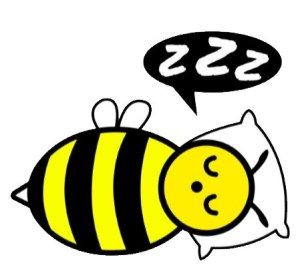 Other bees take short sleeps – catnaps! – of about 15 to 30 seconds at a time. Bees do not have eyelids but researchers who have carefully watched honey bees have found that they stop moving their antennae, which droop, and their wings lie next to their body. Their legs may be folded underneath them and in some cases, sleeping bees may fall over sideways. This can be dangerous if the bee is hanging onto the side of a honeycomb. That’s when other bees will hang onto another bee’s legs to keep it from falling!
Sleep is important, especially for older bees. Studies have found that sleep may improve a bee’s memory. Research has shown that bees that stayed awake for long periods of time were poorer dancers than their well-rested counterparts. Dancing is how bees communicate where they find when out foraging. (One side note: These homeschoolers got to see my “bee dance” but more about that in another post!)
Photographers also have found bees asleep inside a flower. I couldn’t think of a better place to catch a power nap. As many times as I have tried unsuccessfully to photograph a bee on a beautiful flower, it’s obvious that I haven’t found any sleeping bees!
Yet again, another wisdom we can learn from bees. No matter how busy you are and how many things you want to get done, we all need our rest now and then.
Dr. Universe at Washington State University
More about sleeping bees (Science ABC)


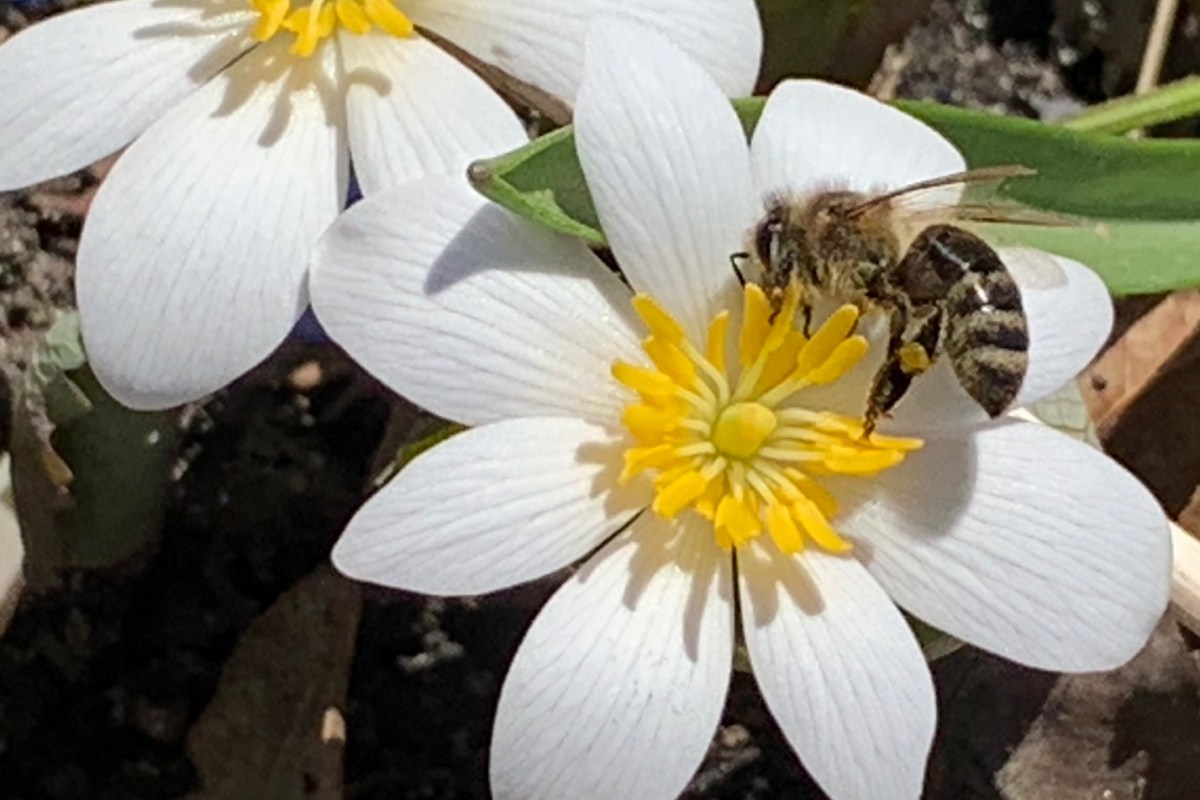
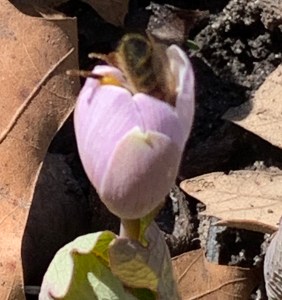
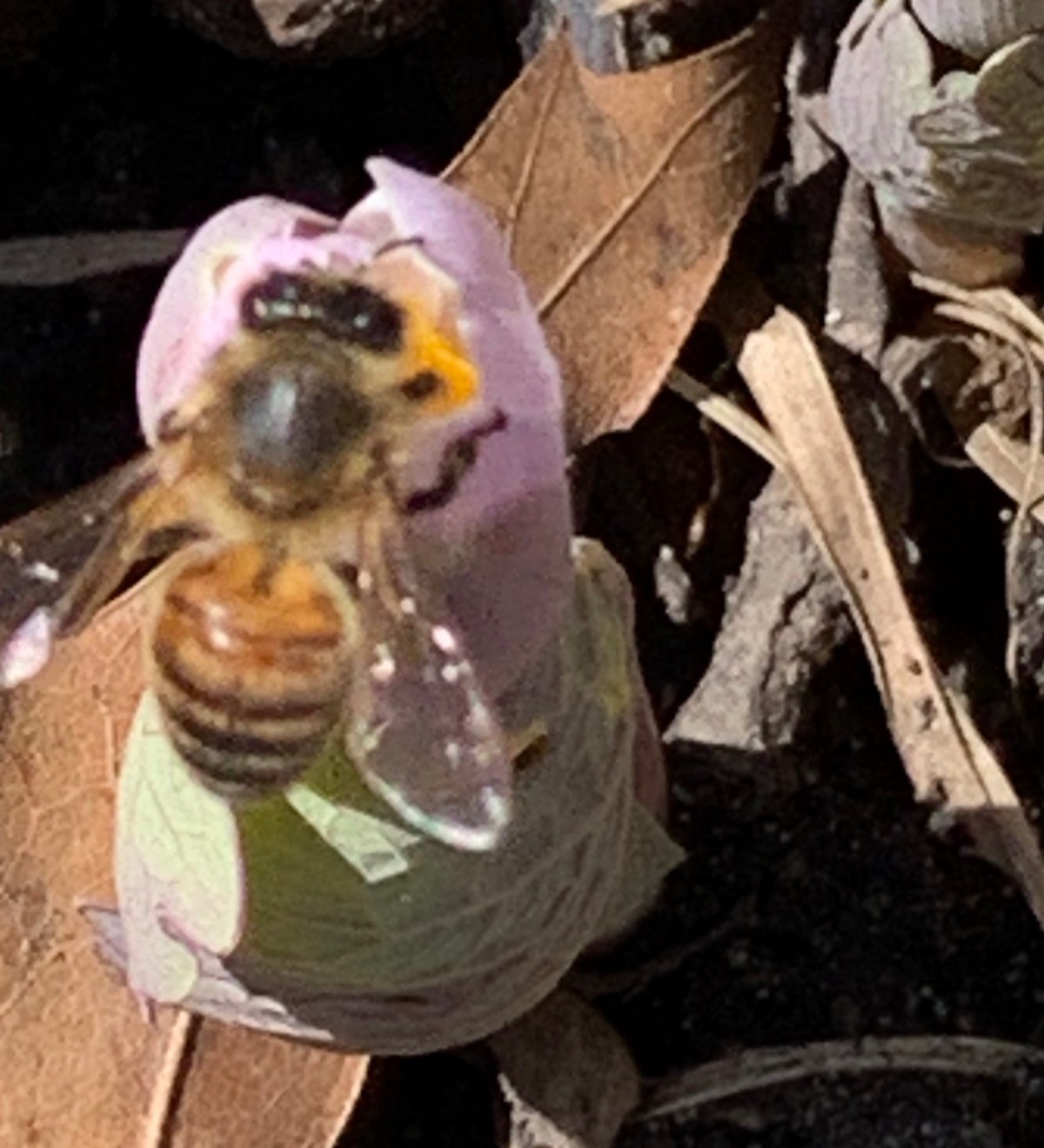 This gal is all in when it comes to getting to the nectar.
 Bee Lady Honey